Is Your Hair Just "Suffocating" Or Permanently Dead? How To Know Before You Cross The Point Of No Return (And the Compound That Can Save Your Hairline)
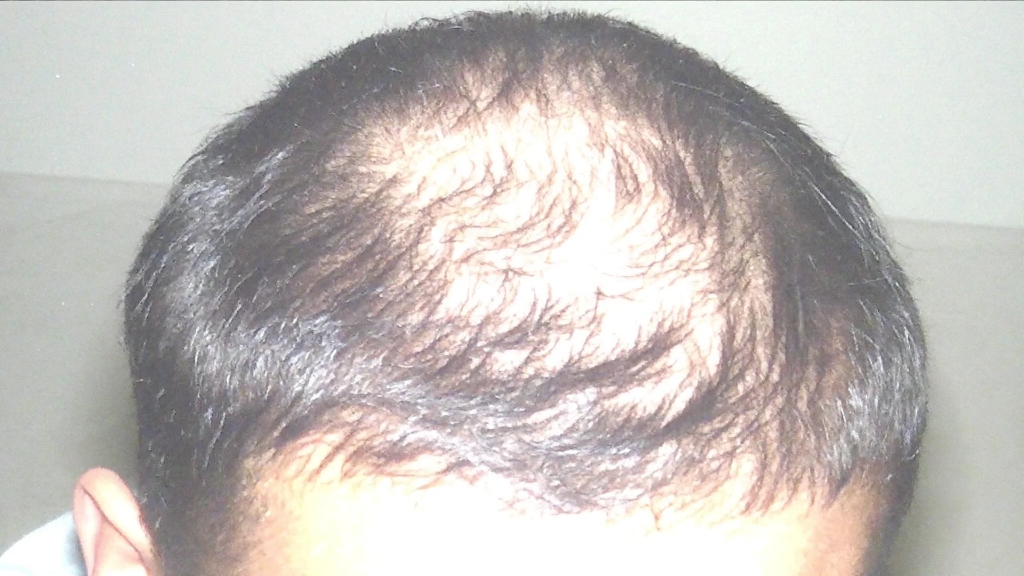
Every thinning follicle is crawling toward a line. On one side it can still be saved. On the other, nothing brings it back. You can find out which side yours are on, and there's a prescription compound that stops the crawl while they're still alive.
 Medically reviewed by Abby Denman, MSN, APRN, FNP-C✓

First, Find Yourself On This Chart. It Decides Whether You Can Still Be Saved.
Swipe to see all 7 stages →
Where the scalp goes fully smooth — Stage 7 — is the point of no return. Everything before it still has living hair on top.
Look at the chart above and find yourself on it. Be honest.
If the top of your head is already bare and smooth, skin catching the light, then hear it straight: no chew, no foam, no pill brings that back. Those follicles have been starved too long. You're looking at a transplant, not a treatment. Close the tab. This part isn't for you.
But if you're anything short of that, a 6 or under on the chart, still fuzz up there, still hair fighting for its life, read every word.
Because the hair you have tonight can very likely be saved.
And you're reading this on a deadline you cannot see.
Most men have no idea which side of that line they're on. They squint in the mirror at a new angle. They take the bad-light photo of the crown and zoom in and guess. And they tell themselves they still have time, right up until the morning they don't.
Most Of Your Follicles Aren't Dead Yet. They're Shrinking. And Every Month, A Few More Cross The Line.
You already know the feeling.
You've stood under the bathroom light at that new angle. You've run your fingers through the crown and counted what came back in your hand. Maybe you've turned your phone's flash on in the dark to zoom in on your own scalp, hunting for those thin, translucent hairs at your temples, asking the one question that matters:
Are these dead? Or are they just shrinking?
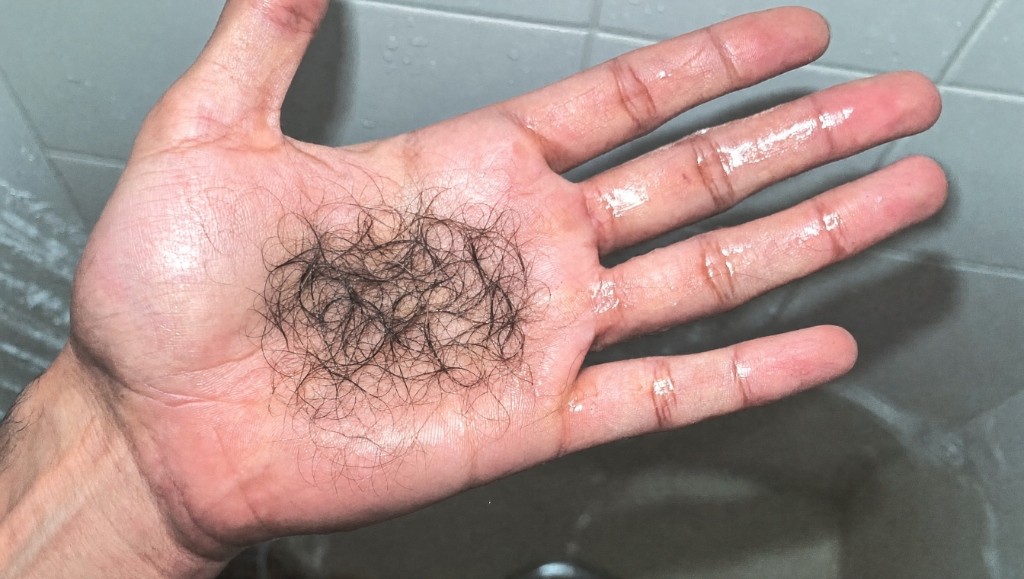
That question isn't vanity. On the forums where men track this to the decimal, it's the thing that keeps them up at night.
"Looking at my hair in the mirror used to give me panic attacks."
"I used to physically tremble just at the thought of someone asking me about my hair loss."
Your follicles probably aren't dead. Not yet.
They're shrinking. DHT is choking them down a little smaller every cycle, and a shrinking follicle pushes out a thinner, weaker, more translucent hair each time, until one day, nothing at all.
But a shrinking follicle can still come back.
A dead one can't.
That's the whole game.
And every month you wait, a few more of yours cross the line you can't come back from.
"Don't wait for the illusion to break. For years I told myself, 'It's still fine, I can style it.' You lie to yourself, thinking the day you can't hide it will never come. But it does. One morning, the mirror doesn't lie anymore."
So the only question worth answering is which side yours are on. And to answer it, you need to know what's shrinking them.
You're Not Imagining It. And You're Not The First Man To Notice It One Year Too Late.
If part of you suspects you've been lying to yourself about how much you've lost, you're not being paranoid. You're being accurate.
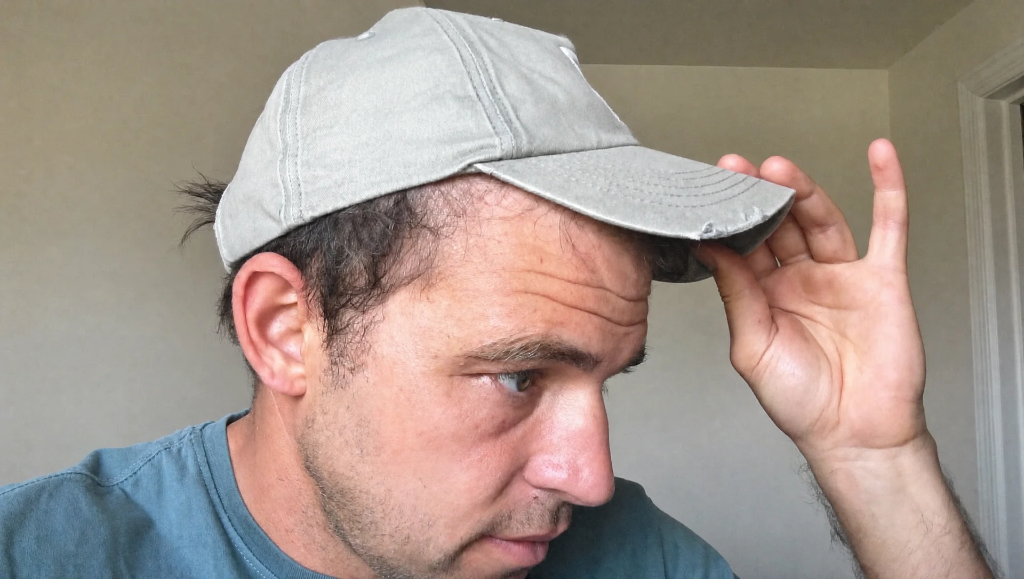
Two out of three American men have noticeable hair loss by 35. By 50, it's about 85%. (American Hair Loss Association.) This isn't your bad luck. It's the timeline nearly every man is on. The only thing that changes is who catches it early enough to keep what he has.
And the men who've been through it say the same thing, over and over, unprompted.
"He used a skin microscope to see how much of my hair had miniaturised. He was surprised to say that a lot is just miniaturised and not actually dead."
"I should have been on dutasteride by 25. Instead I fucked around until my hair was almost gone. If you're reading this and thinking about pulling the trigger, do not wait, do it now."
It's not just anonymous men online. Dr. Antonella Tosti, one of the most published hair-loss dermatologists in the world and a Keeps medical advisor, says it plainer than anyone:
Early. Before the line. So what's closing that window?
Your Hair Isn't "Falling Out." A Hormone Called DHT Is Strangling It On A Schedule.
It looks like your hair is falling out. It isn't. It's being choked out.
A shrinking follicle can come back. The first three stages still have a living root. Once it closes over — slick bald — it can’t.
There's a hormone in your body called DHT, made from testosterone and, at the follicle, roughly five times more potent. In men with the genetics for it, DHT locks onto each vulnerable follicle and tightens its grip a little more every growth cycle. The growth phase shortens. The hair gets thinner, finer, weaker. Thick becomes wispy. Wispy becomes translucent. Translucent becomes peach fuzz. And peach fuzz, left long enough, becomes bare scalp.
Men living it describe it in exactly those words:
"DHT binds to the hair follicles and chokes them out, which then miniaturizes the hairs. MPB is from lack of oxygen and nutrients getting to the roots."
Your hair loss isn't a character flaw. It isn't you failing to try hard enough. It isn't weak genes you should be ashamed of. It's one hormone, on one follicle, on a schedule, closing a window a little more every month.
It's also why everything you've tried so far did nothing.
Every Shampoo, Serum, And Bottle Of Minoxidil Failed You For One Reason: None Of Them Touched DHT.
You've already thrown plenty at this.
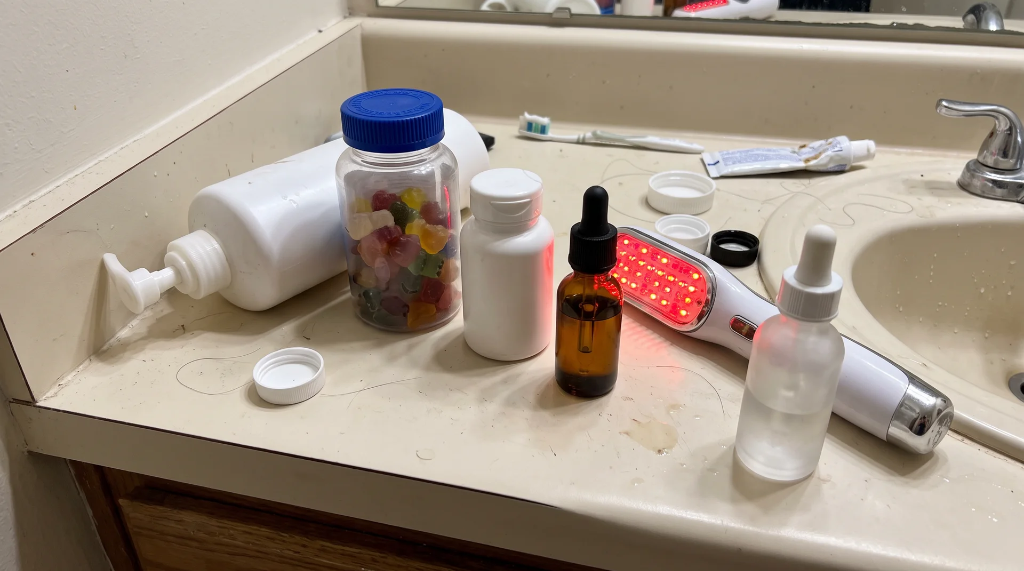
The thickening shampoo. The biotin gummies. The saw palmetto capsules some guy swore by. The rosemary oil. Maybe the little laser comb. Maybe minoxidil, faithfully, for a while, until it started to feel pointless and you quit.
None of it worked, and you probably blamed yourself. Wrong genes. Bad luck. Not consistent enough.
But not one of those things touched DHT. They fought everything except the hormone doing the strangling.
"Listen to someone that has wasted 5 digits on useless serums and laser treatments."
"If you don't address the root cause, minoxidil is just a temporary band aid. You're stimulating minoxidil-dependent hairs while your existing follicles keep getting miniaturised by DHT."
"I saw someone say hair loss is like a hole in a boat. Minoxidil is you bailing water with a bucket, but it's still coming in the hole. Fin and dut are what plug the hole."
Minoxidil is a bucket. It bails while the boat keeps taking on water. Block DHT and you plug the hole. That's the difference between renting a little more time and actually stopping the loss.
There's a second reason you might have quit. You quit right before it worked.
When a real DHT blocker starts working, the first thing that often happens is your hair looks worse. The weakest, already-dying hairs get pushed out together, fast. Men call it the dread shed, and it's the single most common reason a guy panics and quits at month two or three, right when the treatment is finally working.
"Obviously dut is gonna make your hair worse first. It's a shed, it's shedding the weak affected hairs. My shit got wrecked for a minute."
"About 3 months in it went nearly scalp-bald and lasted another 3 to 4 months. I figured it was over. But by 9 months, my hair came back with a vengeance."
That wasn't failure. That was the timeline. The men who understood it, who held on through the ugly middle, are the ones posting photos of thick hair a year later.
So if shampoos and band-aids never touch the root, what does?
Finasteride Blocks About 70% Of DHT. One Compound Blocks Around 90%. At The Root.
You've probably heard of finasteride. It's the closest thing to a real answer most men ever find, because it does the one thing shampoos never could: it blocks DHT. Clinical trials put it at roughly 70% of the DHT in your blood, shut off at the source.
Seventy percent is a lot. But it leaves a real chunk of the exact hormone strangling your follicles still in play, because finasteride blocks only one of the two enzymes that make DHT.
There's a stronger blocker: dutasteride. It blocks both enzymes, type 1 and type 2. In head-to-head clinical studies, dutasteride suppressed DHT by around 90% or more, versus roughly 70% for finasteride. Same idea, far more of the hormone shut off, far less left to keep shrinking what you've got.
One enzyme still runs — DHT keeps coming.
Both enzymes blocked — DHT shut off at the root.
Finasteride blocks one of the two enzymes that make DHT. Dutasteride blocks both — far less of the hormone left to shrink your follicles.
| What you've been putting on it | Does it block DHT, the root cause? | How much DHT |
|---|---|---|
| Shampoos, biotin, saw palmetto, oils | No | None |
| Minoxidil on its own | No (it only boosts blood flow) | None |
| Finasteride | Yes, one enzyme | About 70% |
| Dutasteride | Yes, both enzymes | Around 90% |
Put dutasteride together with the one thing minoxidil is genuinely good at, and you cover both ends at once.
That's exactly what Keeps built into a single daily chew called Chew+. It's a 5-in-1 formula:
- Dutasteride to shut off DHT at the root, a far stronger blocker than finasteride alone.
- Minoxidil to drive blood, oxygen, and nutrients back into the follicles DHT has been starving.
- Biotin, vitamin C, and zinc to support the healthier hair that grows back in.

One citrus chew a day. No horse pill to choke down, no greasy foam drying on your forehead. And these are not supplements. Chew+ is a prescription formula, compounded by a licensed pharmacy and reviewed by a licensed provider before it ships.
If swallowing a daily medication gives you pause, there's a topical version called Drop+ that puts dutasteride and minoxidil straight on the scalp, keeping more of it out of your bloodstream.
But a stronger blocker only works if you take it. And one fear stops most men from ever starting.
The Fear That's Been Stopping You Is The Same Fear That Cost Older Men Their Hair.
You've read the horror stories. The posts about finasteride and what it supposedly did to some guy's sex drive. And in the back of your mind, that fear has been making your decision for you: to do nothing.

The actual numbers are small. In clinical trials, fewer than 4% of men reported any sexual side effect. Trials on dutasteride land in a similar 2 to 5% range. Out of a hundred men, more than 95 feel nothing at all. And you wouldn't be doing it alone: it's prescribed and monitored by a licensed provider, the dose can be adjusted, and if anything feels off, you stop. The topical route lowers how much even reaches your bloodstream.
The horror stories are loud because unhappy people post. The millions of men who feel completely normal and just have their hair don't write reviews. They're out living.
But the fear itself is what costs men their hair.
"I had an opportunity to get on fin when I was 25 but was too nervous. I felt it made me vain, that I should deal with it like a man. I'm 40 now and regret that every day."
"Thanks to the fear-mongering I was scared and postponed it, and decided to start when it was already too late. Don't be like me. Start it sooner."
That's a man describing the exact hesitation you feel right now, from the other side of it, after his window closed. The fear didn't protect him. It cost him the one thing he can never buy back.
The men who kept their hair weren't luckier than you. They weren't braver. They just started while there was still something left to keep.
A Shrinking Follicle Comes Back. A Dead One Never Does. Start Before Another Month Crosses Over.
You have hair on your head right now that's alive, shrinking, and still saveable. You also have a hormone shutting it down a little more every cycle, and a window that's smaller today than when you started reading this.
You can do two things about that.
You can close this tab and tell yourself you'll handle it later. And later, the way it always does, becomes too late.
Or you can find out exactly where you stand, tonight, in about two minutes.
How it works:
- Take the short hair quiz and send a few photos of your scalp.
- A licensed provider reviews them, usually within a day or two, and prescribes only if it's right for you. You're not charged until you're approved.
- Your treatment ships to your door, and you can message a provider whenever you need to.
And Keeps backs it in a way almost no one else will. Over a million men have used Keeps to grow thicker, fuller hair. The compounded plans come with a 180-day money-back guarantee: use it consistently for six months, the exact stretch your follicles need to respond, and if you don't see a meaningful difference, you get your money back.
Over 1 million men. Proven results.
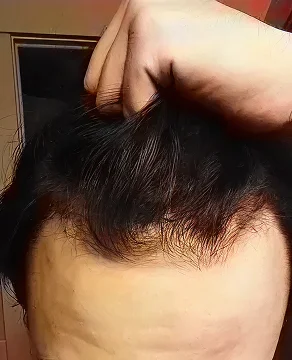
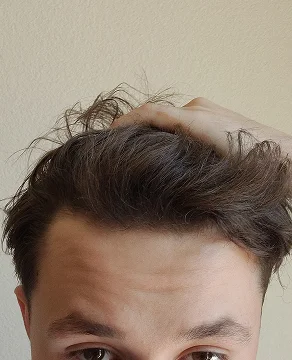
“I’ve been using Keeps for a while now, and my hair has grown back noticeably thicker. I also haven’t experienced any side effects, which was nice.”
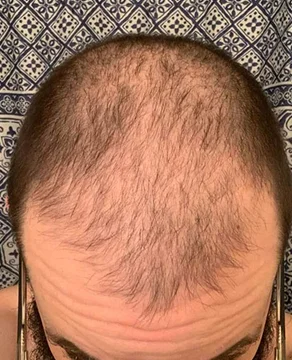
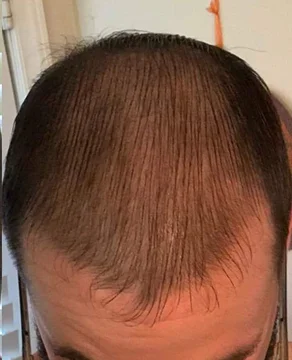
“After about four months, I noticed a real difference in regrowth. My hair is coming back, and I’m genuinely happy with the results so far.”
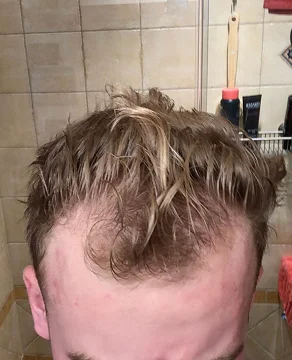
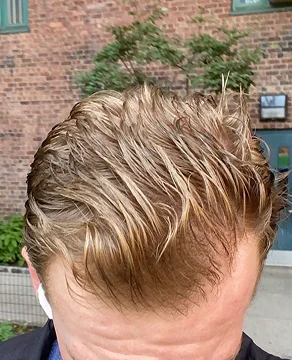
“My hair didn’t just stay the same, it actually grew back stronger. Seeing progress over time made sticking with the routine feel worth it.”
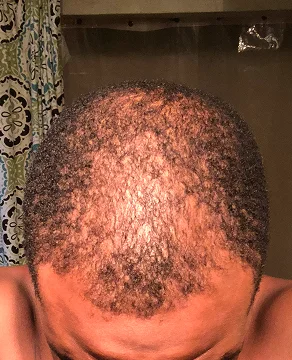
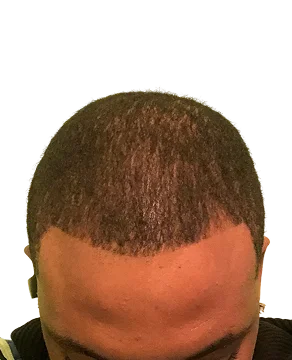
“I could clearly see my hair filling back in over time. The change felt natural, and it gave me a lot more confidence and I’m happy with how it looks now.”
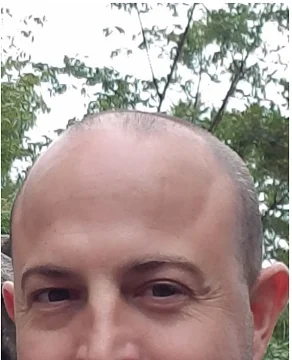
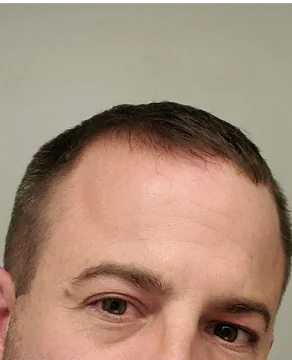
“I have hair again thanks to Keeps! The difference is noticeable. I definitely have more hair now than when I started before.”
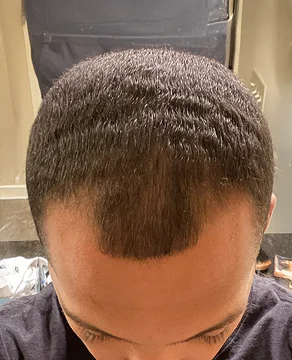
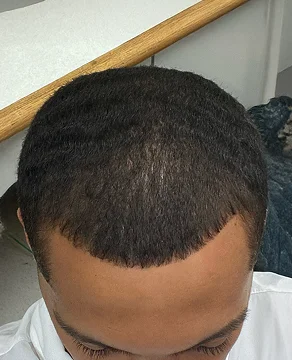
“It’s as simple as taking one pill a day. Making it part of my routine helped me stay consistent and see real results. I’m satisfied!”
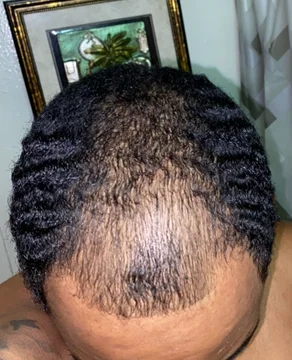
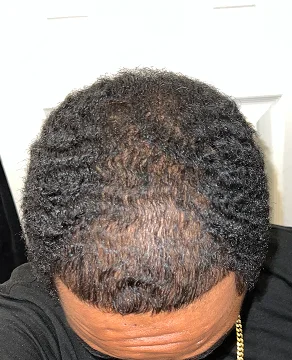
“The product actually works! After months of use, my hair looks better again. I feel much more confident about how it’s progressing now.”
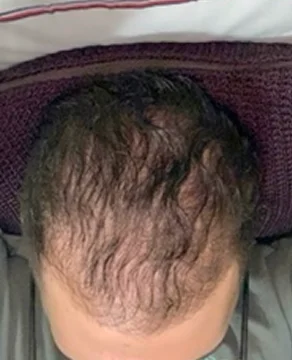
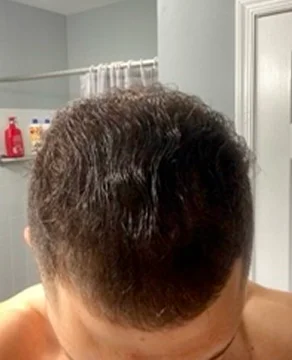
“Keeps helped my hair fill back in without noticeable side effects. The results look natural, which mattered most to me.”
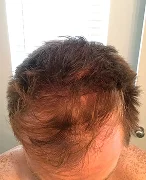
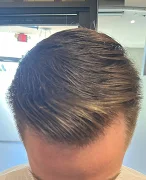
“My hair looks noticeably thicker now than it did a few months ago. The change wasn’t overnight, but the progress has been real.”
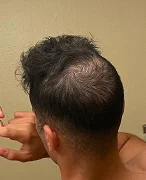
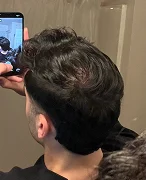
“I started seeing visible improvement around my crown over time. It feels steady and consistent, which made me confident I was on the right plan.”
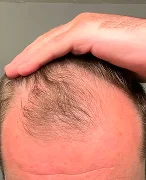
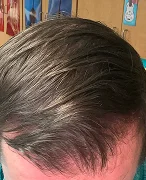
“Seeing side-by-side photos really showed the difference for me. My hair looks healthier, and the thinning doesn’t stand out like it used to.”
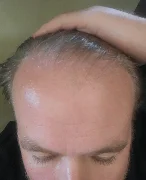
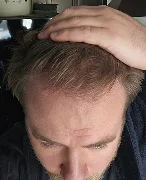
“The gradual regrowth surprised me the most. Month by month, my hairline looked fuller, and that steady progress made it feel worth sticking with.”
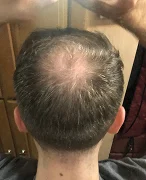
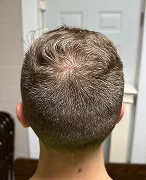
“The thinning spot I was most worried about started filling in over time. My hair looks more balanced now, which feels like a real win.”
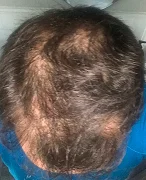
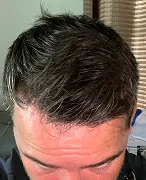
“At first the changes were subtle, but they kept building. Over time, my hair started looking thicker and more consistent overall.”
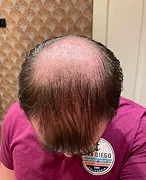
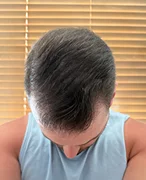
“I’d been dealing with thinning for years, so seeing regrowth again felt huge. The results weren’t instant, but they’ve been genuinely satisfying.”
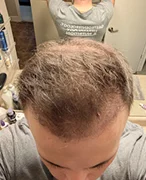
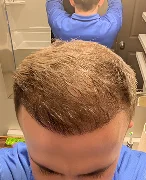
“My hair didn’t just maintain — it actually improved. It looks fuller now, and I feel much better about where things are headed.”
Swipe to see more →
Verified Keeps customers. Individual results vary.
All of it for about the price of a couple of coffees a week, and a fraction of what the same prescriptions run at a pharmacy. Plans start as low as $1 a day.
This won't give you back the hairline you had at 21. No pill will. What it does is documented and specific: about 90% of men stop losing ground, roughly two-thirds see some regrowth, and at best men get back up to 20% of what they lost. Most of all, it keeps what you still have from crossing the line.
Picture next year instead: your hair thicker, the mirror a non-event, the whole thing finally off your mind. That's what the men on the other side of this keep describing.
"I have regained a lot of hair and my hair is volumous now. I love it, my confidence is back."
Keep what's alive, before another month decides for you.
A shrinking follicle can come back. A dead one never does.
You already know which side of that line you want to be on. The only thing left is to find out which side you're actually on, while you still can.